
Flutter Starlight — Cozy Game
Runaway PlayCasual
4.78.04K Reviews
- Version
- 2.250
- Installs
- 1.00M
- Age Rating
- Everyone
Screenshots
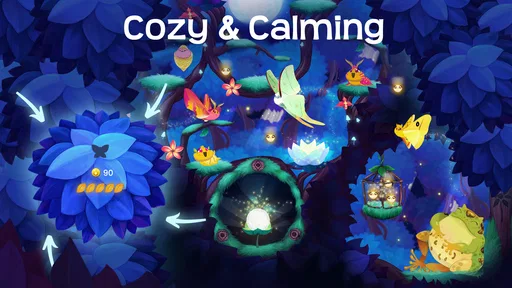
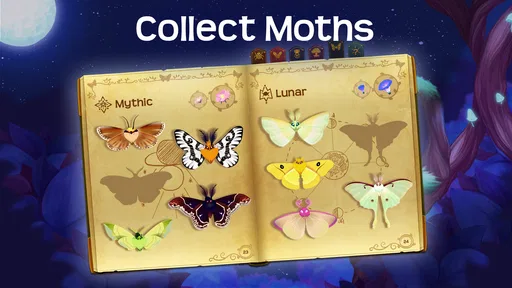
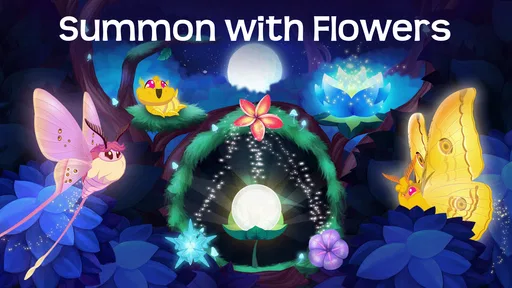
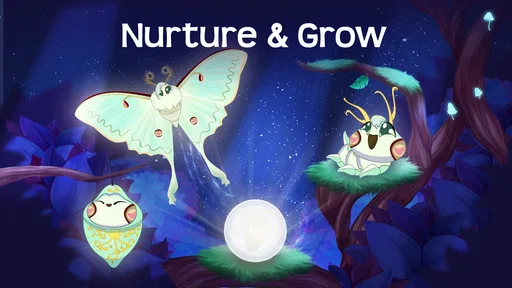

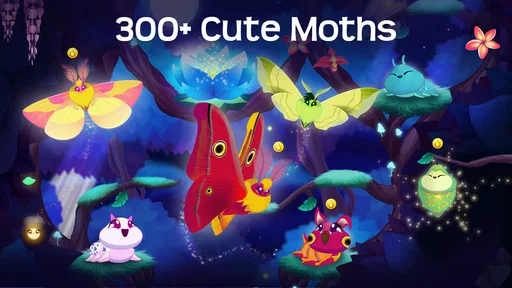
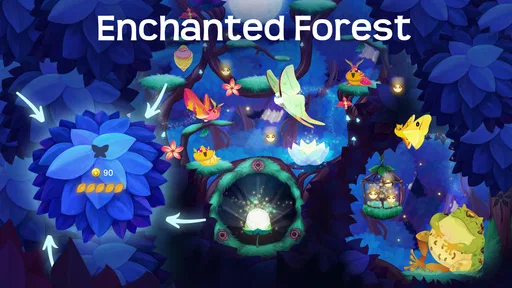
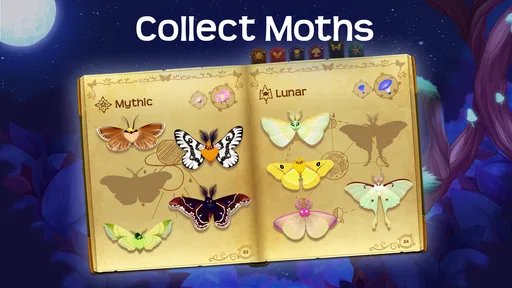
Our Review of Flutter Starlight — Cozy Game
 Analysis by Appyee
I approached Flutter Starlight expecting a gentle collecting game, and that is exactly where it fits best: a quiet, low-pressure experience built around moths, soft presentation, and small moments of progress. It is a casual game from Runaway Play, free to download, and suitable for Everyone. After spending time with it, I found that its appeal is less about chasing a dramatic goal and more about creating a repeatable evening ritual.
The basic idea is easy to understand. You enter a calm world, look for moths, and build a collection at your own pace. There is no need to learn a complicated control scheme before enjoying it, which makes the game approachable for younger players, casual players, and anyone who wants something lighter than a competitive mobile title. The store summary describes the experience as collecting moths in a relaxing cozy game, but in practice the important distinction is how little pressure the game places on each session.
I also think the audience size says something about its staying power. The game has passed one million installs and holds a 4.7 average from roughly 56 thousand ratings. Those numbers do not guarantee that every player will enjoy its pace, but they fit my impression: this is a focused, soothing game rather than an ambitious all-purpose entertainment package.
How the everyday moth-collecting loop works
I’ll start with the ordinary check-in that makes the collection feel manageable, then look at how the game’s calm presentation affects the way I navigate it. I find that separating a quick collecting visit from a slower look through the moths helps me keep the routine purposeful without turning it into a chore.
A simple routine that does not demand constant attention
My preferred way to play is to treat Flutter Starlight as a short reset between more demanding tasks. I open it when I have a few quiet minutes, check what is available, collect what I can, and leave without feeling that I have abandoned an urgent objective. That makes it particularly comfortable during a commute break, before bed, or while waiting for an appointment.
The strongest part of the baseline workflow is its low mental load. I am not juggling a large team, memorizing a complicated map, or reacting to opponents. The moth-collecting theme gives each action a clear purpose, while the cozy framing keeps the experience from becoming another source of noise. Players who enjoy organizing collections should find enough structure to stay interested, even though the game remains easy to pick up.
There is a useful difference between a relaxing game and a game that merely looks relaxing. Here, the collection itself gives me a reason to return, while the gentle pace prevents that reason from turning into pressure. I can focus on completing a small personal objective, such as checking for a particular moth or making steady progress, instead of treating every session as a test of speed.
What I would do during a normal day
Imagine finishing work or school with ten minutes to spare. I would open the game, avoid rushing through the available interactions, and use the session as a transition between concentration and rest. If I had more time, I could stay longer and pay closer attention to the collection. If I only had a moment, I could still make progress without needing to reconstruct a complex plan from the previous session.
That flexibility is one of the game’s practical strengths. It does not require the same commitment as a large strategy game, and it is less repetitive in feeling than many endless-tapping alternatives because the moth theme gives the routine a distinct identity. On the other hand, players who need constant action may find these short, calm sessions too passive.
Why the collection matters more than winning
Flutter Starlight works best when I stop asking whether I am “winning” and start asking whether I am enjoying the process of finding and keeping moths. The collection acts as a personal record of time spent with the game. That can be satisfying for completion-minded players, but it also means the reward is gradual rather than explosive.
This is not the right choice if your ideal casual game is built around rapid rounds, score attacks, or increasingly difficult challenges. A puzzle game may offer clearer moment-to-moment problem solving, while an arcade game may provide more immediate excitement. Flutter Starlight instead offers a softer kind of engagement, and its success depends on whether that slower rhythm suits you.
Settings and habits worth checking first
Before settling into a routine, I recommend looking through the available settings rather than immediately starting to collect. In a cozy game, small presentation choices can change how comfortable a session feels. I pay attention to sound, notification behavior, and any display options that affect whether the game feels peaceful or distracting in my particular environment.
I would also check the device requirements before installing. The game supports devices running at least iOS 9, which gives it a broad compatibility range, but an older operating system does not automatically mean identical performance on every phone or tablet. If your device is aging, a short test session is sensible before deciding whether it deserves a permanent place on your home screen.
Notifications deserve special thought. For some players, reminders make it easier to maintain a collection; for others, they interrupt the very calm that attracted them. My advice is to use reminders only if they help you remember a planned check-in. If they make the game feel like an obligation, turning them down is likely to improve the experience.
Sound is another practical choice. I enjoy audio when I am playing alone in a quiet room, but I prefer a quieter setup in public or when listening to music. The best configuration is not necessarily the most immersive one; it is the one that lets Flutter Starlight remain a background comfort instead of competing with everything else on the phone.
A repeatable workflow for relaxed players
Experienced use does not come from secret tricks here. It comes from consistency. I get more from the game when I follow the same basic pattern: open it at a convenient time, review what I am trying to collect, complete the available actions without rushing, and stop when the session begins to feel like maintenance rather than relaxation.
That last step matters. Because the game is free and includes optional purchases ranging from $0.99 to $99.99 per item, I prefer to decide my spending boundaries before I become deeply invested in completing a collection. A free download can still create pressure if I let every missing item feel urgent. Treating purchases as optional rather than necessary keeps the cozy tone intact.
I also avoid opening the game repeatedly just because I have a spare second. A deliberate check-in feels more rewarding than constant refreshing. This is a small habit, but it helps preserve the game’s identity as a relaxing activity. If every idle moment becomes a reason to inspect progress, the collection can start to feel like a task list.
Faster patterns without turning the game into work
There is a temptation in collection games to optimize every action. My experience is that Flutter Starlight benefits from a lighter approach. I first decide whether I am playing for discovery, completion, or simple relaxation. That choice changes how I use the session. A discovery-focused visit encourages patience, while a completion-focused visit makes it easier to concentrate on the next clear objective.
For a faster routine, I keep the opening check focused. I look at the collection, identify the most useful immediate action, and avoid wandering into unrelated menus. This does not transform the game into a speedrun, but it reduces the small amount of friction that can make a short mobile session feel scattered.
Another helpful pattern is to separate collecting from browsing. I complete the actions I came to do first, then spend time looking through the collection afterward. When I reverse that order, I can lose the purpose of the visit in the pleasant details. When I keep the two stages separate, I get both efficiency and the slower appreciation that makes the game enjoyable.
I would not recommend playing faster simply to create more progress. The game’s appeal is tied to atmosphere, and rushing can make it feel like a less satisfying version of a more demanding collection title. The useful optimization is reducing unnecessary friction, not removing the calm pace.
Where the free model changes the experience
The free entry point is a clear advantage. I can try the core experience without committing money first, which is important for a game whose appeal depends so much on personal taste. Some players will know within one or two sessions that the mood suits them; others will decide that the pace is too quiet.
Optional purchases create a trade-off. Players who are comfortable collecting slowly can enjoy the free route, while completionists may feel more aware of the paid options. I would approach the purchase range carefully, especially if several people share a device or if a younger player is using it. The Everyone rating makes it broadly accessible, but age suitability and spending suitability are separate questions.
My practical rule is simple: play long enough to decide whether the collection loop itself is satisfying before buying anything. If the ordinary routine already feels rewarding, a purchase may be a personal convenience. If the routine feels dull without acceleration, spending is unlikely to fix the deeper mismatch.
Advanced limits: what this game does not try to be
Flutter Starlight is deliberately narrow in scope. Its strength comes from focusing on moth collecting and a cozy atmosphere, but that focus also limits the variety of experiences available. I would not choose it when I want a deep narrative, complex strategy, demanding reflex challenges, or a competitive social environment.
The game can also feel repetitive if the act of collecting is not enough motivation on its own. A player who needs dramatic unlocks, difficult stages, or frequent surprises may run out of reasons to return. That is not a flaw in the same way a broken control would be; it is a design boundary. The game asks you to enjoy gradual accumulation, and it has less to offer if that idea does not appeal to you.
Another limitation is that relaxation is subjective. A slow game can be calming one day and frustrating the next, especially when I want a clear result from a short session. On those days, a compact puzzle or a level-based casual game may be a better fit because it provides a defined beginning and end.
The current version is 2.250, and the game has been available since June 14, 2016. That long presence gives it the feel of an established mobile title rather than a brand-new experiment, but I still judge it by what it offers in the moment: a specialized collection routine, not a constantly changing blockbuster. Players should install it for the moth-focused atmosphere, not because they expect an entirely different genre hidden underneath.
Who should install it, and who should skip it?
I would recommend it to anyone who likes gentle collecting, soft pacing, and games that can fit into a daily routine. It is especially suitable for players who want something less demanding than a competitive title and more purposeful than an idle screen. It can also work well for families looking for an approachable game rated Everyone, provided an adult keeps an eye on optional spending.
I would steer away from it if you want fast feedback, hard objectives, or a large amount of mechanical depth. Players who become anxious about incomplete collections may also want to set personal limits before starting. A peaceful presentation does not prevent completion goals from becoming stressful if I treat every missing moth as something that must be obtained immediately.
Compared with typical casual alternatives, its advantage is atmosphere and identity. Many casual games use quick puzzles, matching, or endless rounds to create short bursts of engagement. Flutter Starlight offers a slower collecting habit instead. The trade-off is obvious: it is more distinctive for players who like its theme, but less broadly entertaining for someone who simply wants any quick game.
My verdict after settling into the routine
I see Flutter Starlight as a good companion game rather than a main gaming destination. It is the title I would keep available for a quiet break, a gentle end to the day, or a few minutes when I want to do something without feeling tested. Runaway Play has kept the concept focused, and that focus is why the game feels pleasant when I approach it on its own terms.
The important decision is whether you enjoy collecting for its own sake. If you do, the moth theme and relaxed rhythm give the routine a memorable character. If you need constant novelty or a strong sense of challenge, the same simplicity may feel limiting. I would download it because the core experience is free, then spend time learning whether the ordinary collecting loop holds my attention before considering any optional purchase.
For me, the best way to play is to create boundaries: choose a comfortable session length, check settings so notifications and sound match my surroundings, use a focused collection routine, and stop before relaxation turns into obligation. The real strength of Flutter Starlight is that it rewards a calm habit rather than demanding constant attention. That makes it an easy recommendation for the right player, but a poor substitute for a puzzle, arcade, or strategy game when those are the experiences you actually want.
Verdict
Strengths of Flutter Starlight — Cozy Game
- Relaxing gameplay suited to short, low-pressure sessions.
- Gentle visuals and music create a calming nighttime atmosphere.
- Simple controls make it accessible for casual players.
- Progression encourages regular play without demanding long sessions.
- Works well as a quiet game for winding down before bed.
Limitations of Flutter Starlight — Cozy Game
- Limited challenge may feel repetitive for players seeking deeper gameplay.
- Progress can feel slow if you prefer fast rewards and constant action.
- The cozy pace may not appeal to fans of competitive games.
- Some features may require patience before they become available.
- Long-term replay value could be modest after completing the main content.
Other Releases by Runaway Play
View All
Pondlife — Fish, Frogs & More!
Simulation4.6

Hatch Dragons
Simulation4.6
Similar Picks in This Category
View All
My Talking Angela
Outfit7 Limited4.2

My Talking Tom
Outfit7 Limited4.3

Pou
Zakeh4.2

My Talking Tom 2: Pet Game
Outfit7 Limited4.3

Candy Crush Saga
King4.6

Bridge Race
Supersonic Studios LTD4.1
Frequently Asked Questions
What is Flutter Starlight — Cozy Game about?
Flutter Starlight is a relaxing, nature-focused game built around collecting and caring for beautiful butterflies. You explore a peaceful environment, discover new species, decorate your habitat, and watch your collection grow over time. The experience is designed to be gentle rather than competitive, making it suitable for players who enjoy calm visuals, light progression, and short sessions without stressful challenges or demanding combat.
Is Flutter Starlight free to download and play?
Flutter Starlight can generally be downloaded for free, although the exact availability and included features may depend on your device and region. Like many cozy mobile games, it may offer optional in-app purchases for premium items, resources, or convenience features. You can enjoy the main experience without necessarily spending money, but it is worth checking the store listing and purchase settings before downloading.
Does the game require an internet connection?
Some parts of Flutter Starlight may work when you are offline, especially basic collection, decorating, or previously loaded gameplay features. However, an internet connection may be needed for advertisements, cloud synchronization, special events, account services, updates, or in-app purchases. Players who want the most reliable experience should connect to Wi-Fi or mobile data when launching the game and accessing online features.
Is Flutter Starlight suitable for children?
Flutter Starlight has a soft, colorful presentation and a non-violent concept that may appeal to children, families, and adults looking for a calming game. Nevertheless, parents should review the age rating, privacy information, advertising policy, and in-app purchase options for their region. If children use the app, enabling device-level purchase restrictions is recommended, particularly when the game is installed on a shared phone or tablet.
What devices are compatible with Flutter Starlight?
Compatibility depends on the operating system version, available storage, and the specific release offered in your country. Before downloading Flutter Starlight, check its official Google Play or App Store page for the current Android or iOS requirements. The game may run best on relatively modern devices, since animated environments, visual effects, and background features can affect performance on older phones or tablets.
Play our best games!


